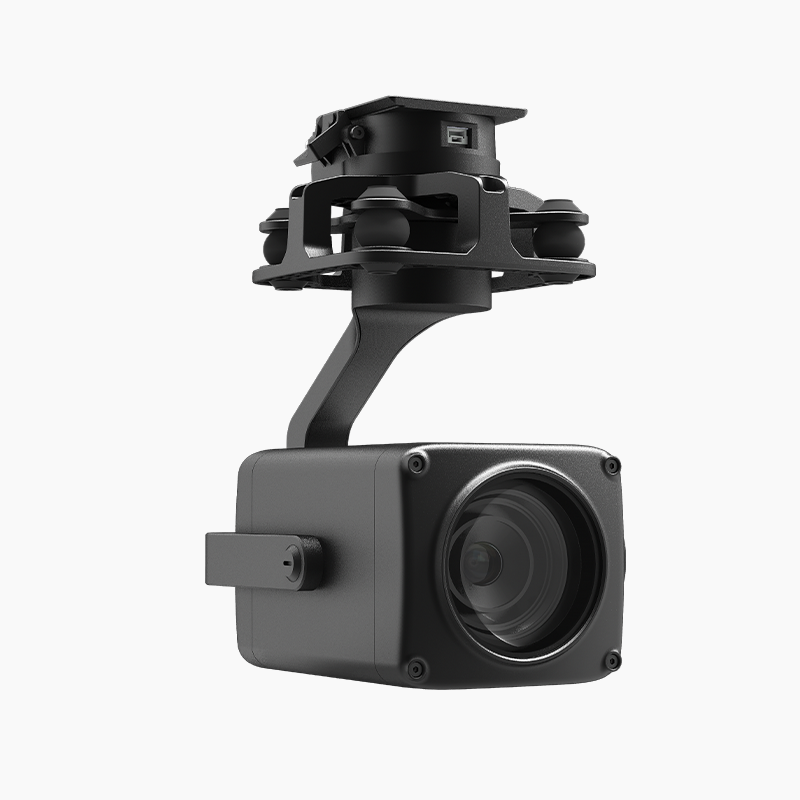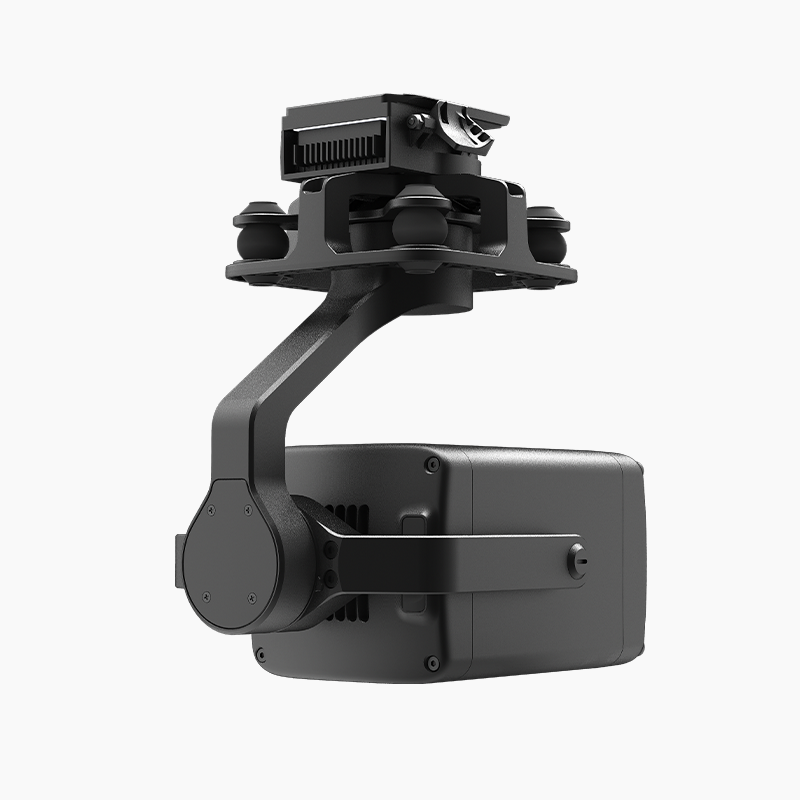
Presenting regarding such in-depth discussion about dampening solutions and infrared-based vision through aerial apparatuses.
Mount Applications for Autonomous Drone Optical Breakthroughs
Pilotless devices are witnessing remarkable developments in camera instruments. High-precision gimbal construction now permit incredibly fluid footage, under turbulent situations. Furthermore, the fusion of thermal imaging offers expanded opportunities for observation in fields like search-and-rescue, conveying valuable data beyond what traditional light cameras can get. These unified technologies are significantly shaping the domain of aerial shooting.
Zooming into the Evening: UAV Optics with Thermal Vision & Steadiness Tech
The evolving landscape of unmanned aerial crafts is being upgraded by advancements in camera specifications. Specifically, the combination of night vision technology and precise gimbal mechanisms allows for unprecedented perception during nighttime procedures. These mighty cameras, often utilizing infrared imaging, can see through darkness, providing crucial information for protection purposes. Likewise, the gimbal methodology steadily minimizes wobble, resulting in markedly uniform footage even in challenging conditions. Considerations like resolution and refresh rate are ever critical for ideal operation.
- Improved Operational Perception
- Higher Distance of Deployment
- Detailed Data Collection
Aerial Vehicle Camera Evaluation: Steadied, Heat Vision, Variable Focus & Night Surveillance
Selecting the fitting pilotless system camera requires a difficult assessment. Think about the different versions available: supported systems supply smooth, stable footage; infrared cameras achieve in faint conditions by spotting heat sources; variable focus lenses support you to expand distant items; and low-light vision abilities utilize improved methods to capture imagery in deficient light. The most suitable mix depends on the aimed function.
The Developing of Unmanned Imaging Instruments: Blending Thermal & Gloom Imaging
Traditionally, Autonomous systems aimed on natural light imaging. Conversely, cutting-edge demands in areas including surveillance & emergency compel increased sensory intelligence. Integrating infrared-based modules alongside night perception capabilities micro gimbal affords operators a substantial perk, empowering personnel to recognize features camouflaged from ordinary light. These partnership greatly strengthens operational productivity across a vast spectrum of uses.Steadiness Firmness Merges with Thermal Vision: A New Era for UAV Imaging
This cutting-edge phase dedicated to unmanned sensing arisen, prompted through this collaboration of state-of-the-art mounting techniques with high-definition thermographic monitoring. This integration facilitates technicians allowing them to capture more precise thermal metrics through remote machines, regardless unstable atmospheric states, unveiling new benefits along various sectors such as surveillance, retrieval together with precision horticulture.
Pilotless Craft Camera Telephoto Capabilities: Coordinating Coverage & Gloom Monitoring
Advancements in Aerial Platform technology are constantly augmenting camera magnification functionality, but a vital challenge involves harmonizing distance and night vision. Extending one close-up feature to acquire faraway objects often degrades radiance sensitivity, enabling clear night monitoring arduous. Designers are studying state-of-the-art strategies, including advanced lens systems and programming augmentations, to minimize aforementioned compromise and deliver well-defined imagery at several lengths, even under limited luminance scenarios.
Deciding on your Right UAV Photography Equipment: Dampening, Temperature, & Optical Range Parameters
During opting for specific UAV observation equipment, numerous key criteria have to be evaluated. Such steady gimbal is imperative for clear airborne filming , particularly in blustery environments. Heat-Sensing devices offer critical information for deployments like examination and support tasks. Finally, zoom qualities allow greater looks of subjects, nonetheless extended long-distance view usually leads to lower graphical quality and calls for enhanced brightness.
{Night Vision UAV Cameras: Refined Protection with Dampening Support
Up-to-date UAVs are overhauling security operations with the implementation of night vision modules. Importantly, balancing mechanism provides exceptional firmness for the photography setup, permitting clear film even in adverse conditions or during aerial movement. This quality notably raises monitoring productivity and delivers a indispensable advantage for security personnel and additional companies requiring secure nighttime reconnaissance.
Cutting-edge Unmanned Observation Setups: Connecting Zoom Infrared & Dark Viewing
Modern autonomous flyers are frequently equipped with top-tier camera arrangements that overcome basic photography. These groundbreaking solutions frequently include a mix of versatile technologies, including variable focal capabilities for meticulous inspection, temperature imaging to spot infrared patterns, and low-light vision capabilities to allow operation in limited visibility. This integration provides users with a significant plus in expanded industries, from relief efforts to construction oversight and threat detection.