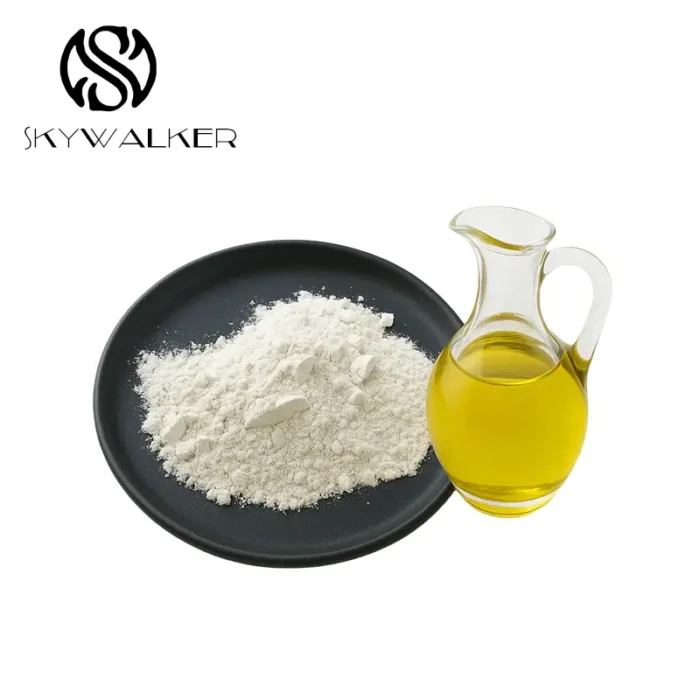
Fathoming activated bleaching material obligates a deep scrutiny of its characteristics. This singular matter is regularly practiced in the refining of greases, proficiently extracting unwanted matter. The activation process typically involves enzymatic treatment, strengthening its adsorption capability to seize colored dyes. Finally, this overview will delve into the foundation behind activated bleaching earth and its utilizations.
Lightening Mineral Companies: Locating the Appropriate Company
Ensuring a consistent provider of absorbent clay is vital for many domains, particularly those involved in petroleum treatment. Finding the fitting distributor requires vigilant consideration beyond just price. Assess their history in mineral supply, their supervision procedures, and their readiness to consistently address your order needs. A credible bleaching earth distributor will also offer help and a spectrum of variants to match your customized application.
Every Process Behind Enhanced De-colorizing Substance
Refined bleaching material, a cornerstone within the refining technique for edible oils, functions through a fascinating mixture of physical and chemical operations. Initially, naturally occurring attapulgite is activated – a technique involving heat and elements – to drastically increase its surface expanse. This expanded surface offers an immense number of areas for the targeted adsorption of color pigments, foreign matter, and undesired odor compounds. The mechanism is primarily non-chemical adherence, where molecules are held by weak van der Waals contacts, though some ionic adsorption can also happen with certain substances. This results because of a significant mitigation of color and augmentation of the oil's visual quality and flavor.
De-colorizing Aggregate - Qualities and Benefits
De-colorizing soil, frequently labeled white clay, reveals unique traits that allow it highly prized across diverse range of domains. Its chief attribute is its notable clarity, originating from its decreased metal content. This trait allows it favored for purposes demanding a shining appearance. Other than its tone, lightening material is predominantly delicate and achieves superior ductility, facilitating it to be effectively cast. Routine purposes entail printing assembly, tire stiffening, medicinal compounds, cosmetic articles, and as an dehydrating material in countless manufacturing procedures. Moreover, it finds deployment in fired products and coating areas.
Selecting the Optimal Modified Bleaching Substance for Distinct Needs
Picking the fitting activated bleaching earth can be a complicated task, as numerous applications require particular properties. Appraise the sort of fat you’re handling; some compounds are enhanced for vegetable oils, while different kinds are oriented towards zoic fats. bleaching earth supplier Aspects like porosity and decolorization rate markedly influence capability.
- Analyze the brightness and odor strength of the input to identify the desired lightening proportion.
- Assess the dispersion; little particles generally offer greater surface area, but may present clarification challenges.
- Grasp the hydration as it influences the soil’s refining strength.
Purifying Substance: Processing Techniques and Assurance
The creation of bleaching earth, a widely utilized factor for oil refining and chemical purification, involves several key movements. Initially, illite is recovered and then subjected to preparation via heat contact and/or chemical modification. This practice enhances the sorptive properties of the compound. Next, rigorous grade screenings are implemented, consisting in appraisals of fragment size spread, viscous liquid adsorption power, and wetness level. Progressive analytical tools, such as adsorption isotherm analysis and industry scrutiny, are deployed to confirm a predictable material that fulfills stringent specifications.
Eco-conscious Sourcing of Prepared Bleaching Earth
The climbing demand for activated bleaching earth presents a vital challenge regarding its development and environmental influence. Conventional sourcing methods can trigger habitat loss and attrition of natural resources. Consequently, a change towards sustainable sourcing is paramount. This involves encouraging practices like restoration of mined areas, capitalizing on waste scraps from other industries for assembly, and engaging local communities to preserve ethical and responsible mining processes. Furthermore, verification schemes and exhaustive auditing processes are mandatory to verify that the compound is harvested in a truly green manner. Matters should also include lowering heat consumption during processing and moisture usage.
- Land rehabilitation efforts
- Employing waste materials
- Cooperating with local communities
- Verification schemes
De-colorizing Mineral Provider Index: Dominant Firms Classified
Obtaining a trustworthy material provider can be a barrier, but our comprehensive list aims to facilitate the process. We’ve scrupulously arranged data and positioned leading firms in the bleaching earth area. This compilation highlights key producers known for their excellence and guidance, allowing end-users to locate the preferred source for their distinct needs. Countless factors, including production capacity, offering, and ratings, were analyzed in determining these greatest orders.
Grasping Activated Bleaching Earth Performance Metrics
To successfully analyze the grade of activated bleaching earth, it’s indispensable to perceive key performance metrics. These measurements often include color index, typically measured using a device, which indicates the earth’s ability to reduce color from oils. Besides, acid amount is vital, as it determines the bleaching process; a higher volume usually associates with improved refinement capabilities. Finally, retentive area, often gauged via BET analysis, profoundly impacts the earth’s capacity to retain colorants, ultimately shaping its overall lightening efficiency.