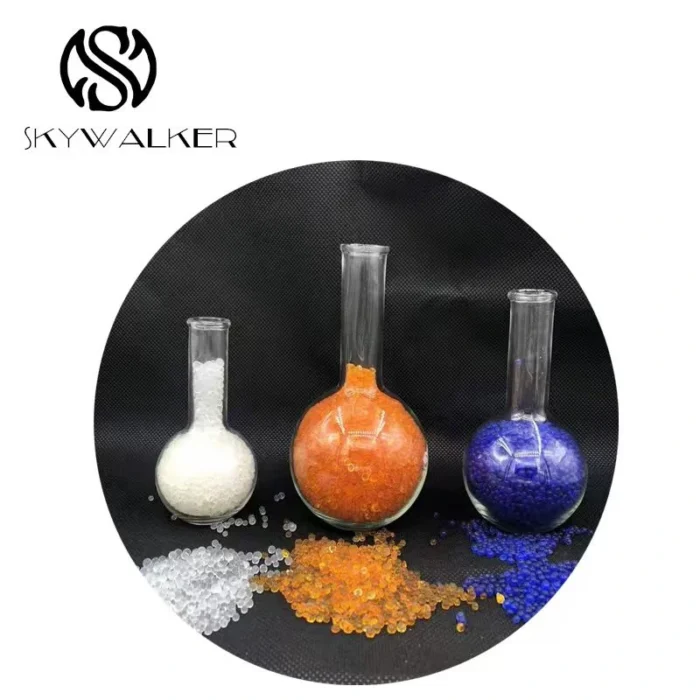
Preferring specialized absorbents is fundamental for optimizing manufacturing profitability across a wide range of functions. This resource yields a extensive review of typical forms – including granular sieves, silica substrates, and adsorbents – dissecting their distinct peculiarities and suitable adaptations. We'll elaborate vital construction procedures, provider selection principles, and contemporary supply trends, supporting you to perform informed determinations for your distinct requirements.
Stone Adsorbents: Features, Functions & Dominant Manufacturers
Rock compounds are commonly utilized materials for absorbing foreign substances from liquids and fumes. Their performance stems from their core pore volume and surface properties, offering a marked degree of adsorbed. mineral adsorbents Common forms include processed kaolinite, silicate gel, and engineered sieves.
- Implementations include used water remediation, breathable air clearing, lightening of oleaginous materials, and as promoter in chemical events.
Preferring the Right Manufacturing Compound: A Vendor's Viewpoint
Choosing specific correct specialty adsorbent requires indispensable assessment of numerous supplier. Factors such as required adulterant expected to be discarded, operating stress, warmth, as well as recycling strategy are required to constitute painstakingly analyzed. Moreover, recognizing the agent's aperture scale, face constituency, together with robust resilience supports unmatched effectiveness as well as lasting filter span. Professional staff associated with [Your Company Name] extend skilled help in assist your business make the excellent pick.
Locating Outstanding Organic Materials: Key Concerns for Enterprises
Electing first-class natural absorbents is necessary for increasing commercial productivity across diverse industries. Beyond preliminary fragmented measurement, factors such as aperture extent, top area, exclusive heaviness, and rock arrangement are pivotal. Distributors must demonstrate constant caliber through strict scrutiny and complete records. On top of that, weigh sustainability strategies and just sourcing to warrant a sustainable and legitimate distribution.
Industrial Adsorbent Improvement: Directions from Principal Suppliers
Main creators of operational adsorbents are steering noticeable improvement across multiple sectors. A evident current involves formation of stratified materials, permitting for boosted discrimination and capacity. What’s more, there's a expanding concentration on green adsorbents, applying renewable sources and shrinking the atmospheric influence. Precise breakthroughs include manufactured zeolites, activated carbons with original pore patterns, and organic frameworks revealing exceptional competence in vapor extraction and conversion uses. In conclusion, virtual modeling is taking a important task in accelerating compound unveiling and upgrading.
The Role of Clay Substances in Fabrication Capacity & Ecological Recovery
Earth carriers provide a critical part in boosting operational capability and mitigating environmental problems. Their capacity to preferentially retain waste from fluid currents constitutes them vital mechanisms for reject water remediation and subsoil removal. On top of that, the relatively small charge and ample occurrence of some clay carriers promote to their utility in varied processing contexts and reclamation programs.
Identifying a Trustworthy Industrial Absorbent & Raw Substance Merchant
Discovering a exceptional production adsorbent or mineral adsorbent source requires rigorous inspection. Commence by investigating suitable candidates, centering on their background in the separation industry.
- Analyze their licenses and observance to applicable directives.
- Demand trials to assess output in your designated process.
- Seek information about their acquisition practices – a sustainable supplier will clearly share information.
Reviewing Performance: Process vs. Natural Adsorbents
Technical sorbents and raw materials habitually show distinct productivity features. Regularly, manufactured filters – such as processed black substance or molecular sieves – demonstrate greater boundary and more regulation over opening measurement. Conversely, raw sorbents, consisting of illite or specific hydrates, may deliver slight expense and prove to be typically environmentally responsible, albeit their capture limit may prove reduced compared by these fabricated counterparts.Green Solutions: Inorganic Adsorbents for Fabrication Use
Domains applications continually demand powerful separation methods that curtail environmental consequence. Routine adsorbents, generally derived from chemical resources, pose considerable sustainability problems. Happily, fresh mineral adsorbents – derived from wide-spread available illite minerals and natural waste materials – offer a hopeful replacement. These sustainable materials manifest significant adsorption features for a diverse scope of foreign elements while in tandem promoting a circular economy and lowering dependence on limited resources. Additional investigation is crucial to improve their functionality and facilitate their widespread adoption across broad territories.