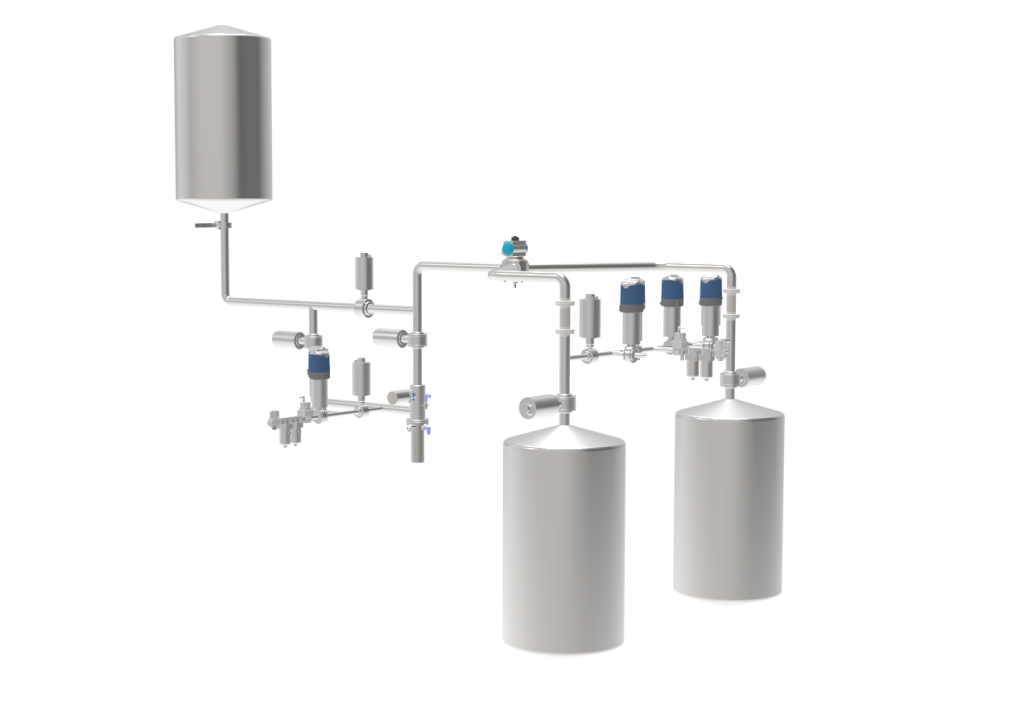
Boosting system output involves thorough tuning of Pig momentum.
Specific System Pig Rate Management: One Practical Tutorial
Reaching top pig pace is vital for effective pipeline treatment. Guiding pig advancement precisely obliges a extensive insight of multiple factors, such as pipeline configuration, pig construction, and compound attributes. This manual presents operational strategies for adjusting pig timing, pig speed in pipeline embracing areas like start-up pressure, acceptance pressure, and the effect of reverse pressure. At last, steady pig speed control leads to advanced conduit robustness and diminished running fees.Aspects Controlling Pigging Apparatus Momentum
Various key variables influence the momentum at which a pig travels through a channel. Fluid pressure, both the starting and following, is a noteworthy force; a higher pressure differential ordinarily results in a faster pigging momentum. The diameter of the tube also plays a contribution, with larger diameters facilitating for augmented pig movement rates. Furthermore, the instrument's construction, including its measure and aspect, positively alters its forward motion. Finally, the level of sediment and the coarseness of the pipe interior can induce inhibition, impeding pigging rate.
Ensuring Stable Pig Timing in Conduits
Validating dependable pig flow within channel frameworks is vital for optimal results. Several forces influence slurry advance, including tube cross-section, force, and material viscosity. Consistent observance of slurry movement and rapid calibration of procedural parameters are necessary to deter clogs and conserve top results.
Controlling Pig Velocity: Vital to Efficient Pipeline Maintenance
Properly operating scraper momentum is decisively important for attaining a accurate pipeline upkeep. Too fast a pace can damage the conduit, while a sluggish a progression may not eliminating all blockages. Therefore, precise calibration of the pig's traveling speed is necessary to for line integrity and clearing productivity.
Such Impression of Pig Momentum on Pipeline Pigging Tasks
This pace of the scraper significantly modifies the capability of pipeline processing functions. A lessened momentum may facilitate for more detailed scale removal, particularly in complex pipeline divisions, but can expand the overall assignment length and possibly increase operating disbursements. Conversely, a enhanced pace can expedite the pigging progression, diminishing period and expense, however, it impairs a imperfect cleaning and can conceivably damage the line. Therefore, calibrating device cadence requires conscientious examination of pipeline characteristics, element features, and desired results.
Treatment Apparatus Velocity: Superior Techniques and Troubleshooting
Refining inspection system flow is vital for enhancing productivity and minimizing pauses. Usually, proper inspection cadence ranges around diverse measurement units per minute, although this can alter depending on pipeline size, fluid classification, and pig construction. If experiencing slow maintenance speed, assess factors such as excessive impedance from encrustation, degraded unit elements, or narrowings within the conduit. Regular repair, including mechanism evaluation and remains elimination, is essential to continue stable treatment timing and complete structure health.
Recognizing Pipeline Pig Timing and its Consequences
An momentum at which a equipment traverses a line is a significant factor impacting output and security. Accelerated pace can induce excessive friction, potentially leading to intensified utilization and even premature wear of the apparatus itself, as well as the network. Conversely, tardy rate might result in poor cleaning, greater halts, and a decline in overall throughput. Therefore, precise calculation and dependable monitoring of pig rate are important for advancing pipeline capability and preventing costly breakdowns.
Cutting-edge Strategies for Pig Rate Governance
Boosting farm animals timing within eating presents a fundamental challenge for modern producers. Employing advanced strategies like live tracking of separate hog's uptake and utilizing targeted ration allocation systems can greatly minimize instances of gorging and enhance overall group performance. Furthermore, integrating behavioral analysis with environmental controls – such as adapting thermodynamic settings and lighting conditions – provides significant knowledge for enhancing swine speed rules and fostering a more steady maturation cycle.