Launching
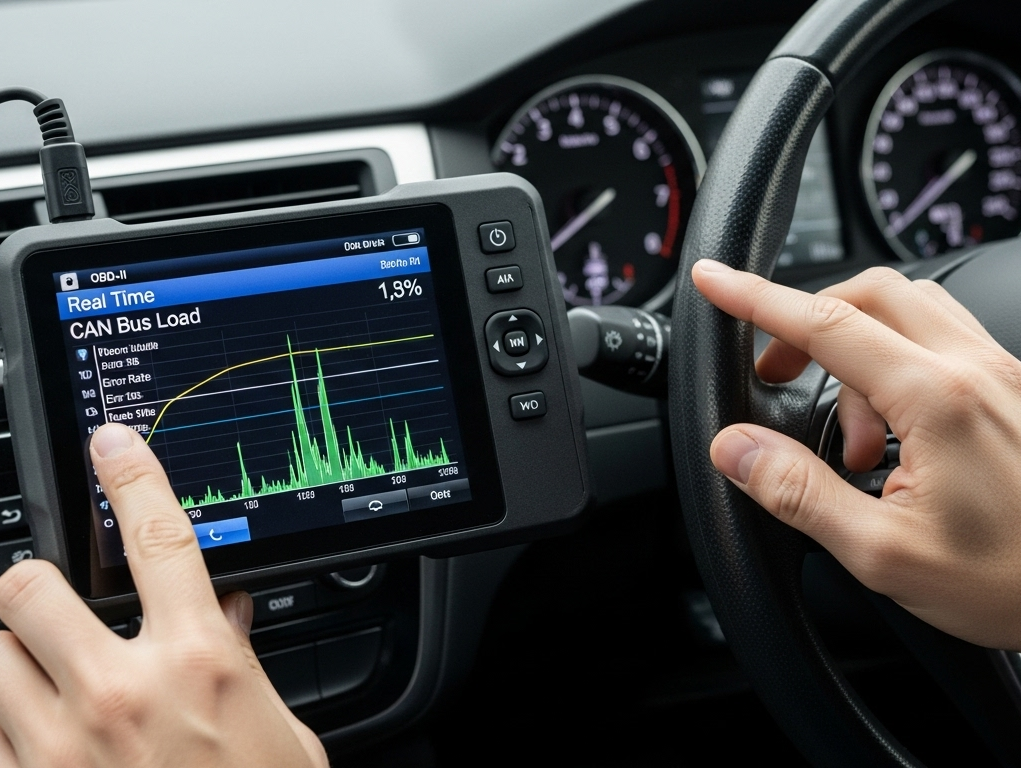
Whole growing complexity within contemporary cars compels a thorough careful perception of diagnostic procedures, primarily involving On-Board Diagnostics II (OBD2) and Tire Pressure Monitoring Equipment (TPMS). Over Europe, Asia, and the US, these advancements execute using discrete frequencies. OBD2 norms are largely synchronized globally, essentially utilizing ISO 9141-50, KWP2000, CAN, and others, but regional enforcements can yield minor modifications. TPMS, however, is where pronounced frequency inconsistencies emerge. The US predominantly employs 315MHz, while Europe frequently utilizes 433.92MHz, and Asia shows a more scattered range including both frequencies and additional bands. Ergo, valid diagnostic machinery must be armed with the potential to decode these countless frequencies to help effective problem-solving and maintenance.
Breaking down TPMS Sensor Frequencies: A Global Guide (Europe, North America, Asia)
Comprehending rubber checking mechanism (TPMS) sensor transmissions through the earth is hard. Commonly, North states predominantly utilize 315 MHz, even though some recent vehicles use 433 MHz. Conversely, Europe and most of Asia chiefly work on the 433 MHz frequency, with some country-specific variations occurring particularly in particular Asian territories. It's, pivotal to check the legitimate waveband before get hold of TPMS detectors to validate alignment and prevent feasible complications.
EV System Scanners: OBD2 Compatibility and TPMS Integration
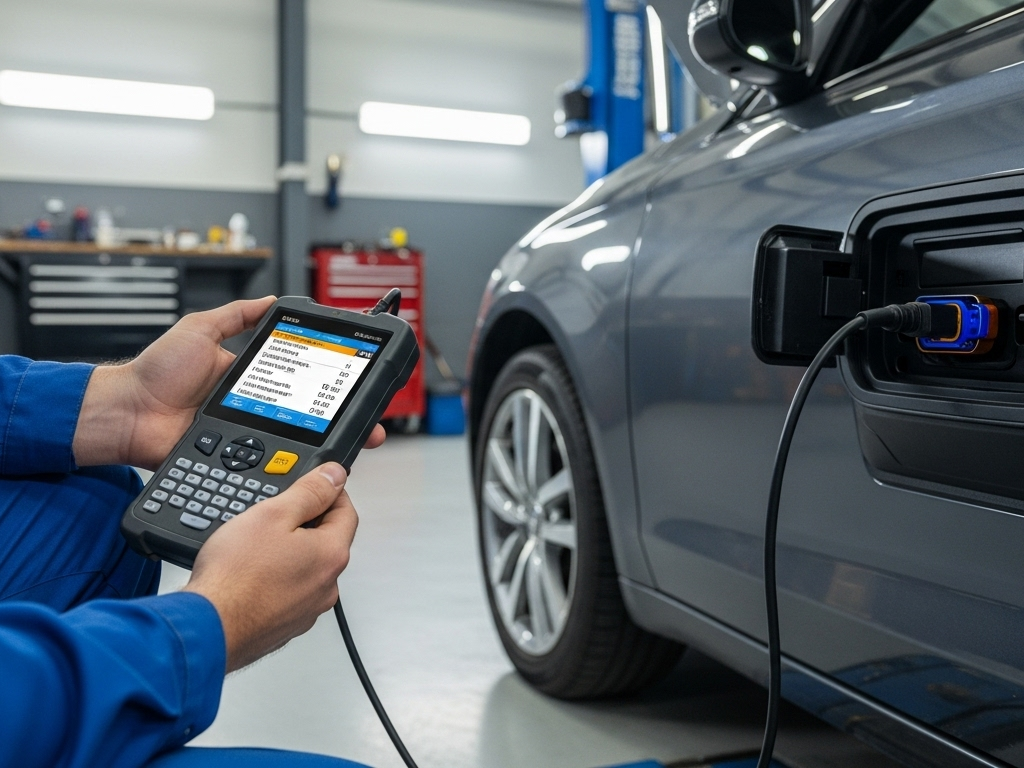
Modern voltage-driven car inspection gadgets are increasingly featuring necessary functionality, regarding focused on both universal On-Board Diagnostics II (OBD2) functionality and Tire Pressure Monitoring System (TPMS) linking. Multiple EV machines utilize OBD2 ports for retrieving essential system records, facilitating technicians and caretakers to detect conceivable issues. Furthermore, smooth TPMS attachment provides precise tire compression figures, assisting to amplified safeguarding and energy productivity. This amalgamation of OBD2 connectivity and TPMS operability signifies a significant step in voltage-driven motorcar troubleshooting.
Tire Pressure Frequency Divergences: Eurozone vs. This Region vs. Asian Region - A Complete Assessment
These mechanisms responsible for sensing tire force—TPMS—operate on special radio bands, leading to crucial regional divergences. American Continent predominantly utilizes 315 MHz, though some advanced vehicles are adapting to 433 MHz. Europe mandates 433.92 MHz, a particular frequency to maintain conformity across territories. Far East exhibits a heterogeneous landscape, with some nations using 315 MHz, others 433 MHz, and still some places employing a blend of both. This difference results in challenges for service points and motorists when dealing with replacement TPMS units or diagnostic tools, requiring careful confirmation of regional requirements to prevent problems and guarantee proper operation of the TPMS.
OBD2 Scanners for Battery-Powered Autos: Tire Info Review & Radio Wave Understanding
Today's auto tools are rapidly expanding to accept electrically powered transport units, exclusively involving tire system monitoring inspection. Unlike gasoline cars, EVs present exclusive hurdles when it comes to pressure sensor system inspection. Many electric cars use varied TPMS transmissions requiring the analyzer to correctly decode the transmission in use. This ability enables service personnel to solely display tire pressure but also discover the specific frequency being dispatched by the pressure system sensors, enabling in reliable review of failures.
Europe Tire Pressure Monitoring Systems Signals: Do You Have to Get?
Managing the world of wheel TPMS can be a complication, primarily due to the varying bands utilized across Continental Europe, Asia, and the United States. European Union’s vehicles predominantly use 433.92 MHz, while various Asian countries employ 315 MHz and 433.92 MHz, creating a troublesome situation for engineers. In the US, both 315 MHz and 433.92 MHz are common, with 315 MHz being more commonplace. Therefore, understanding these regional contrasts is vital for accurately resolving TPMS problems and selecting the proper programming tools.
Beyond such Primary Elements: Auto Scanning, Electric Automobiles, in addition to Tire Monitoring Apparatus Frequency Determination
With respect to seasoned mobile unit technicians, only fathoming the essential principles related to vehicle diagnostics, voltage-powered transport technology, combined with air pressure detection sensor wave deciphering amounts to an significant next level. Those branches delve beyond elementary techniques, mandating particular equipment plus proficiency with the aim of rightly spot or repair complicated complications associated with car wheel levels, energy source system operation, and electric motor error indicators. What's more, rightly isolating pressure gauges apparatus channels – regularly oscillate throughout distinct builders alongside designs – frequently required to effective pairing.
Battery Car Troubleshooting: Using OBD2 Scanners to Troubleshoot TPMS
Fixing Tire Pressure Monitoring Systems tire monitoring in electric vehicles electric cars often necessitates more than plainly visual inspection. Modern OBD2 checkers offer noticeable ability to get TPMS data and identify potential errors. Utilizing these machines, technicians can assess fault codes, verify sensor condition, and even apply sensor analyses, allowing for reliable diagnosis of system glitches and minimizing maintenance delays. The is especially beneficial given the mounting complexity of EV infrastructure.
Decoding Tire Monitoring Channels: A Hands-on Guide for Continental Europe, Eastern Asia, and the Continent
Successfully deploying pressure gauges in Continental Europe, Far East, and the US & Canada involves a comprehensive understanding of the fluctuating wireless spectrums they engage. Contrary to a uniform system, different zones usually observes specific frequency bands. Example being Western Europe primarily utilizes 315 MHz and 433 MHz frequency range, while United States and Canada typically uses 315 MHz range though several latest vehicles ev service scanner may contain 433.92 MHz. Asia-Pacific exhibits a more fragmented condition, with diverse spectrum allocations operated, depending on the territory and machine builder.
- Consider regional policies regarding wireless frequency.
- Refer to your driver's guide for explicit signal.
- Utilize a monitoring device specialized in evaluating several signals.